




















About Home Is Where He Is

Domestic Horror browser guide

Home Is Where He Is is a domestic psychological horror story about belonging and the boundary between intimacy and possession. This The False Sun edition treats the experience as a study of unreliable systems: the player is shown a familiar role, place, or interface and then asked to recognize when its comforting explanation no longer matches the consequence. The browser frame above provides immediate access while the guide below keeps its analysis spoiler light.

Play slowly enough to observe the person whose presence defines the emotional meaning of home and the surrounding familiar home whose routines gradually resemble rules about where the protagonist is allowed to belong. The main challenge is reading relationship cues, examining familiar rooms, and deciding how much closeness can be safely accepted, so details that appear cosmetic can become route evidence later. Let the first ending remain imperfect; it records how you understood the game's language before outside optimization changed your decisions.

It includes coercive relationships, possessive behavior, confinement themes, and psychological pressure. Use fullscreen for clear artwork and text, but step away whenever the tone becomes uncomfortable. A route is most useful when the player can still interpret its choices rather than simply enduring them.

Home Is Where He Is the shape of the first hour screenshot

The Shape of the First Hour

Home Is Where He Is uses familiar home whose routines gradually resemble rules about where the protagonist is allowed to belong to explore opening expectations and the first evidence that the visible rules may be incomplete. The location or interface establishes a recognizable pattern before asking the player to notice what no longer fits. That patience is important because a changed expression, number, sound, or object only becomes meaningful after the game has taught the audience what ordinary was supposed to look like. Careful play therefore begins with learning the baseline rather than immediately searching for a dramatic threat.

The central interaction involves reading relationship cues, examining familiar rooms, and deciding how much closeness can be safely accepted. Before committing to a response or action, identify what it communicates: trust, distance, efficiency, curiosity, resistance, or acceptance of somebody else's premise. The most attractive wording or largest immediate reward does not always create the most stable result. Affection can become control when one person decides where another is permitted to feel safe. Keeping that contradiction visible makes consequences easier to understand and prevents a pleasant reaction from being mistaken for proof that no cost exists.

For a first route, maintain one readable priority and let the ending show what it produces. On replay, change one trust decision or response to controlling behavior at a time while leaving the surrounding approach stable. Controlled comparison reveals whether a result came from one branch, accumulated tone, or the system's broader design. It also preserves discovery because the player is testing a meaningful question instead of reversing every decision at random.

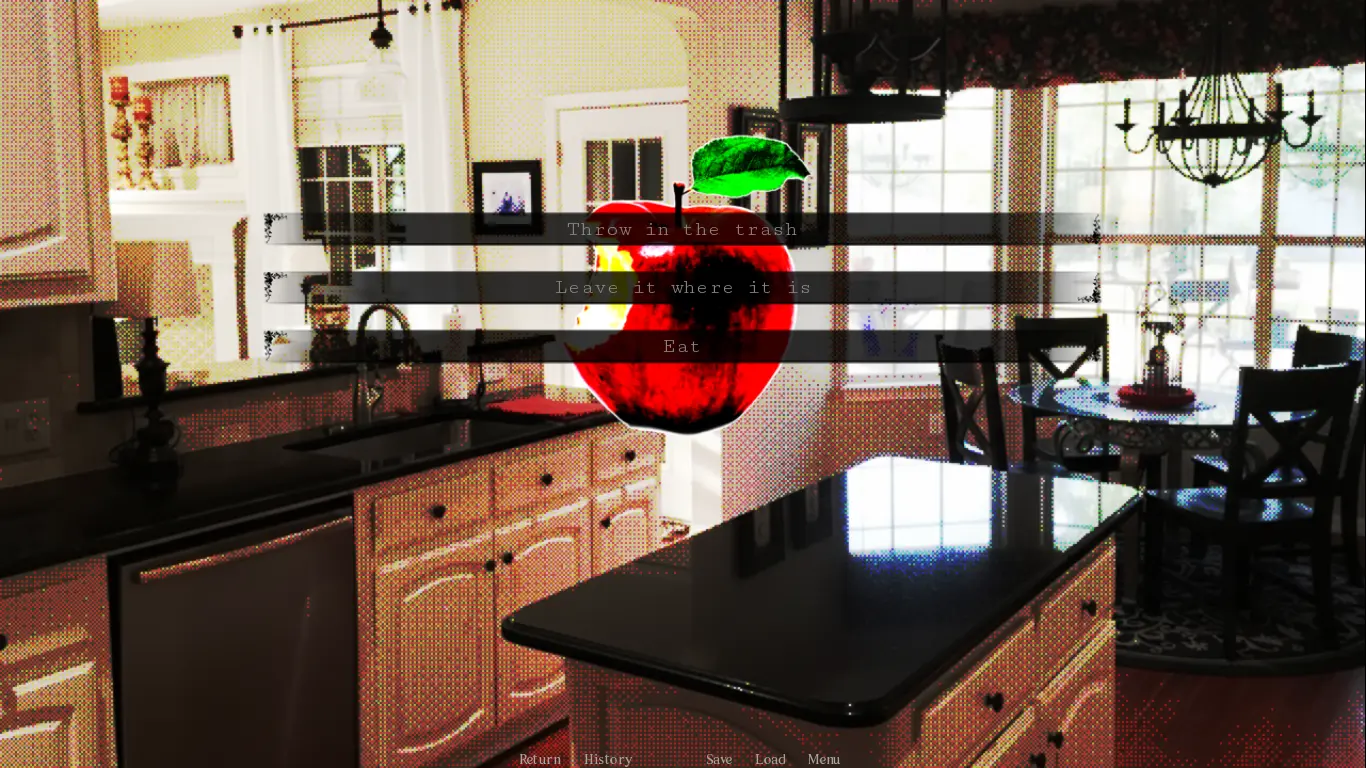
Home Is Where He Is reading the environment screenshot

Reading the Environment

Home Is Where He Is uses familiar home whose routines gradually resemble rules about where the protagonist is allowed to belong to explore how repeated spaces, interface details, and visual framing turn observation into an active skill. The location or interface establishes a recognizable pattern before asking the player to notice what no longer fits. That patience is important because a changed expression, number, sound, or object only becomes meaningful after the game has taught the audience what ordinary was supposed to look like. Careful play therefore begins with learning the baseline rather than immediately searching for a dramatic threat.

The central interaction involves reading relationship cues, examining familiar rooms, and deciding how much closeness can be safely accepted. Before committing to a response or action, identify what it communicates: trust, distance, efficiency, curiosity, resistance, or acceptance of somebody else's premise. The most attractive wording or largest immediate reward does not always create the most stable result. Affection can become control when one person decides where another is permitted to feel safe. Keeping that contradiction visible makes consequences easier to understand and prevents a pleasant reaction from being mistaken for proof that no cost exists.

For a first route, maintain one readable priority and let the ending show what it produces. On replay, change one trust decision or response to controlling behavior at a time while leaving the surrounding approach stable. Controlled comparison reveals whether a result came from one branch, accumulated tone, or the system's broader design. It also preserves discovery because the player is testing a meaningful question instead of reversing every decision at random.

Home Is Where He Is character pressure screenshot

Character Pressure

Home Is Where He Is uses familiar home whose routines gradually resemble rules about where the protagonist is allowed to belong to explore how the person whose presence defines the emotional meaning of home changes the emotional meaning of apparently simple actions. The location or interface establishes a recognizable pattern before asking the player to notice what no longer fits. That patience is important because a changed expression, number, sound, or object only becomes meaningful after the game has taught the audience what ordinary was supposed to look like. Careful play therefore begins with learning the baseline rather than immediately searching for a dramatic threat.

The central interaction involves reading relationship cues, examining familiar rooms, and deciding how much closeness can be safely accepted. Before committing to a response or action, identify what it communicates: trust, distance, efficiency, curiosity, resistance, or acceptance of somebody else's premise. The most attractive wording or largest immediate reward does not always create the most stable result. Affection can become control when one person decides where another is permitted to feel safe. Keeping that contradiction visible makes consequences easier to understand and prevents a pleasant reaction from being mistaken for proof that no cost exists.

For a first route, maintain one readable priority and let the ending show what it produces. On replay, change one trust decision or response to controlling behavior at a time while leaving the surrounding approach stable. Controlled comparison reveals whether a result came from one branch, accumulated tone, or the system's broader design. It also preserves discovery because the player is testing a meaningful question instead of reversing every decision at random.

Home Is Where He Is choices, actions, and consequences screenshot

Choices, Actions, and Consequences

Home Is Where He Is uses familiar home whose routines gradually resemble rules about where the protagonist is allowed to belong to explore why reading relationship cues, examining familiar rooms, and deciding how much closeness can be safely accepted requires a coherent strategy rather than isolated correct answers. The location or interface establishes a recognizable pattern before asking the player to notice what no longer fits. That patience is important because a changed expression, number, sound, or object only becomes meaningful after the game has taught the audience what ordinary was supposed to look like. Careful play therefore begins with learning the baseline rather than immediately searching for a dramatic threat.

The central interaction involves reading relationship cues, examining familiar rooms, and deciding how much closeness can be safely accepted. Before committing to a response or action, identify what it communicates: trust, distance, efficiency, curiosity, resistance, or acceptance of somebody else's premise. The most attractive wording or largest immediate reward does not always create the most stable result. Affection can become control when one person decides where another is permitted to feel safe. Keeping that contradiction visible makes consequences easier to understand and prevents a pleasant reaction from being mistaken for proof that no cost exists.

For a first route, maintain one readable priority and let the ending show what it produces. On replay, change one trust decision or response to controlling behavior at a time while leaving the surrounding approach stable. Controlled comparison reveals whether a result came from one branch, accumulated tone, or the system's broader design. It also preserves discovery because the player is testing a meaningful question instead of reversing every decision at random.

Home Is Where He Is a spoiler-light route method screenshot

A Spoiler-Light Route Method

Home Is Where He Is uses familiar home whose routines gradually resemble rules about where the protagonist is allowed to belong to explore how to change one trust decision or response to controlling behavior at a time without reducing the story to a checklist. The location or interface establishes a recognizable pattern before asking the player to notice what no longer fits. That patience is important because a changed expression, number, sound, or object only becomes meaningful after the game has taught the audience what ordinary was supposed to look like. Careful play therefore begins with learning the baseline rather than immediately searching for a dramatic threat.

The central interaction involves reading relationship cues, examining familiar rooms, and deciding how much closeness can be safely accepted. Before committing to a response or action, identify what it communicates: trust, distance, efficiency, curiosity, resistance, or acceptance of somebody else's premise. The most attractive wording or largest immediate reward does not always create the most stable result. Affection can become control when one person decides where another is permitted to feel safe. Keeping that contradiction visible makes consequences easier to understand and prevents a pleasant reaction from being mistaken for proof that no cost exists.

For a first route, maintain one readable priority and let the ending show what it produces. On replay, change one trust decision or response to controlling behavior at a time while leaving the surrounding approach stable. Controlled comparison reveals whether a result came from one branch, accumulated tone, or the system's broader design. It also preserves discovery because the player is testing a meaningful question instead of reversing every decision at random.

Home Is Where He Is presentation as part of the story screenshot

Presentation as Part of the Story

Home Is Where He Is uses familiar home whose routines gradually resemble rules about where the protagonist is allowed to belong to explore the way color, sound, pacing, and familiar imagery shape the player's judgment. The location or interface establishes a recognizable pattern before asking the player to notice what no longer fits. That patience is important because a changed expression, number, sound, or object only becomes meaningful after the game has taught the audience what ordinary was supposed to look like. Careful play therefore begins with learning the baseline rather than immediately searching for a dramatic threat.

The central interaction involves reading relationship cues, examining familiar rooms, and deciding how much closeness can be safely accepted. Before committing to a response or action, identify what it communicates: trust, distance, efficiency, curiosity, resistance, or acceptance of somebody else's premise. The most attractive wording or largest immediate reward does not always create the most stable result. Affection can become control when one person decides where another is permitted to feel safe. Keeping that contradiction visible makes consequences easier to understand and prevents a pleasant reaction from being mistaken for proof that no cost exists.

For a first route, maintain one readable priority and let the ending show what it produces. On replay, change one trust decision or response to controlling behavior at a time while leaving the surrounding approach stable. Controlled comparison reveals whether a result came from one branch, accumulated tone, or the system's broader design. It also preserves discovery because the player is testing a meaningful question instead of reversing every decision at random.

Home Is Where He Is browser setup and save safety screenshot

Browser Setup and Save Safety

Home Is Where He Is uses familiar home whose routines gradually resemble rules about where the protagonist is allowed to belong to explore practical loading, fullscreen, mobile, storage, and iframe troubleshooting. The location or interface establishes a recognizable pattern before asking the player to notice what no longer fits. That patience is important because a changed expression, number, sound, or object only becomes meaningful after the game has taught the audience what ordinary was supposed to look like. Careful play therefore begins with learning the baseline rather than immediately searching for a dramatic threat.

The central interaction involves reading relationship cues, examining familiar rooms, and deciding how much closeness can be safely accepted. Before committing to a response or action, identify what it communicates: trust, distance, efficiency, curiosity, resistance, or acceptance of somebody else's premise. The most attractive wording or largest immediate reward does not always create the most stable result. Affection can become control when one person decides where another is permitted to feel safe. Keeping that contradiction visible makes consequences easier to understand and prevents a pleasant reaction from being mistaken for proof that no cost exists.

For a first route, maintain one readable priority and let the ending show what it produces. On replay, change one trust decision or response to controlling behavior at a time while leaving the surrounding approach stable. Controlled comparison reveals whether a result came from one branch, accumulated tone, or the system's broader design. It also preserves discovery because the player is testing a meaningful question instead of reversing every decision at random.

Home Is Where He Is themes and player comfort screenshot

Themes and Player Comfort

Home Is Where He Is uses familiar home whose routines gradually resemble rules about where the protagonist is allowed to belong to explore the mature implications of affection can become control when one person decides where another is permitted to feel safe and the value of taking breaks. The location or interface establishes a recognizable pattern before asking the player to notice what no longer fits. That patience is important because a changed expression, number, sound, or object only becomes meaningful after the game has taught the audience what ordinary was supposed to look like. Careful play therefore begins with learning the baseline rather than immediately searching for a dramatic threat.

The central interaction involves reading relationship cues, examining familiar rooms, and deciding how much closeness can be safely accepted. Before committing to a response or action, identify what it communicates: trust, distance, efficiency, curiosity, resistance, or acceptance of somebody else's premise. The most attractive wording or largest immediate reward does not always create the most stable result. Affection can become control when one person decides where another is permitted to feel safe. Keeping that contradiction visible makes consequences easier to understand and prevents a pleasant reaction from being mistaken for proof that no cost exists.

For a first route, maintain one readable priority and let the ending show what it produces. On replay, change one trust decision or response to controlling behavior at a time while leaving the surrounding approach stable. Controlled comparison reveals whether a result came from one branch, accumulated tone, or the system's broader design. It also preserves discovery because the player is testing a meaningful question instead of reversing every decision at random.

Watch Home Is Where He Is Videos

Gameplay Video

Watch Home Is Where He Is video 1 for additional gameplay context.

Walkthrough Video

Watch Home Is Where He Is video 2 for additional gameplay context.

Home Is Where He Is FAQ

What is Home Is Where He Is?

Home Is Where He Is is a domestic psychological horror story about belonging and the boundary between intimacy and possession.

Can I play Home Is Where He Is online?

Yes. Press Play in the game frame to load the browser build without installing a separate application.

How should I approach the first route?

Choose one coherent priority, observe reactions and repeated details, and let the first ending provide information for replay.

Do choices or actions affect the outcome?

Yes. Decisions involving reading relationship cues, examining familiar rooms, and deciding how much closeness can be safely accepted can change available information, relationships, resources, and endings.

Does it work on mobile?

It may run in a modern mobile browser, though landscape orientation and desktop fullscreen provide a clearer layout.

Why is the game frame blank?

Wait briefly, click inside the frame, refresh once, and check extensions or networks that block scripts and iframes.

Will browser progress remain saved?

Progress may use local storage, so clearing site data, switching profiles, or using private mode can remove it.

Is Home Is Where He Is suitable for children?

Review its themes before playing. It includes coercive relationships, possessive behavior, confinement themes, and psychological pressure.

What is the best replay strategy?

Keep most decisions stable and change one trust decision or response to controlling behavior at a time so differences remain understandable.