


















The Shape of the First Hour
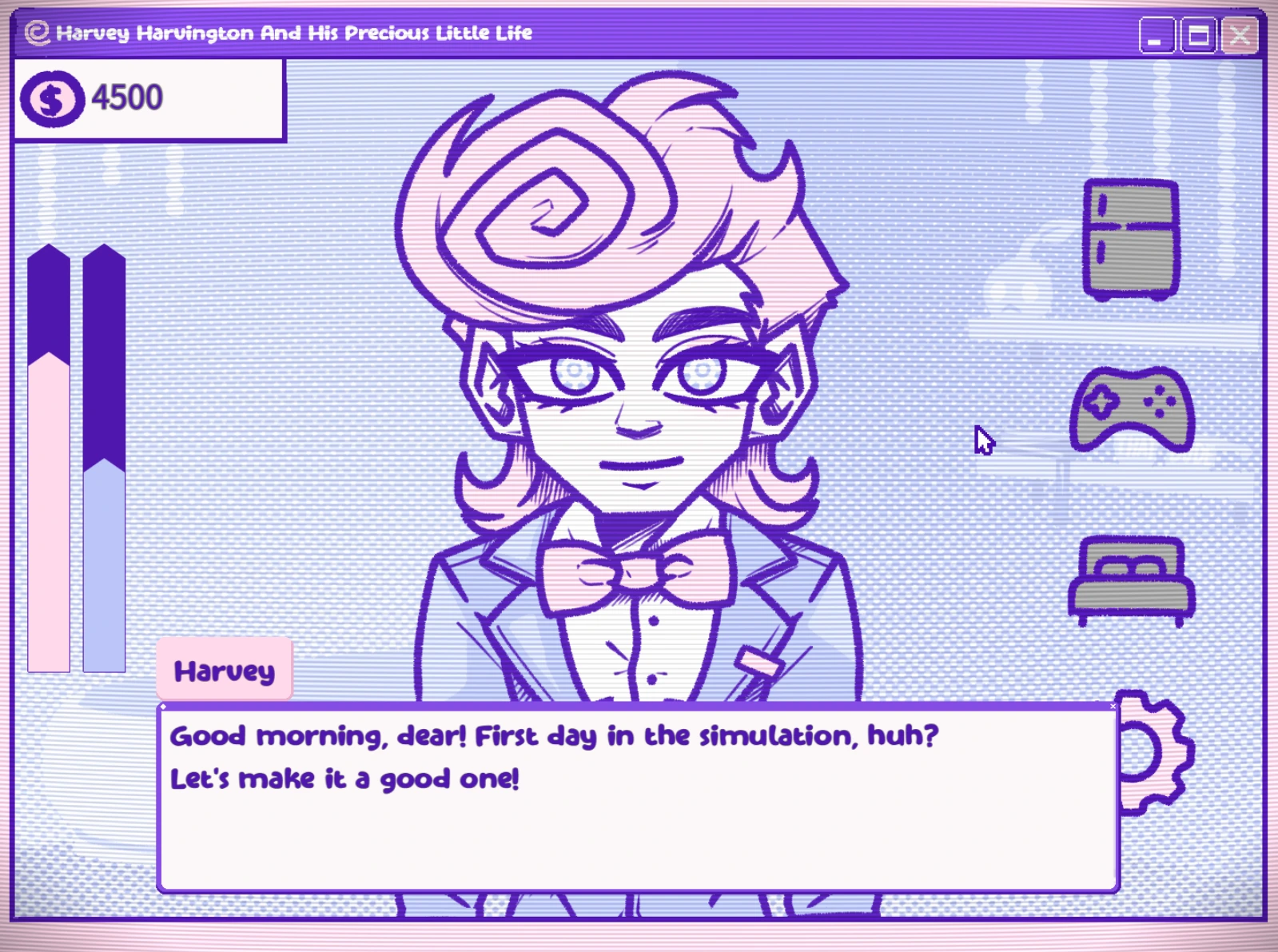
Blood Money 2 uses cheerful corporate dashboard that converts Harvey's life into measurable output to explore opening expectations and the first evidence that the visible rules may be incomplete. The location or interface establishes a recognizable pattern before asking the player to notice what no longer fits. That patience is important because a changed expression, number, sound, or object only becomes meaningful after the game has taught the audience what ordinary was supposed to look like. Careful play therefore begins with learning the baseline rather than immediately searching for a dramatic threat.
The central interaction involves managing routines, resources, upgrades, and moral decisions while questioning the program's language. Before committing to a response or action, identify what it communicates: trust, distance, efficiency, curiosity, resistance, or acceptance of somebody else's premise. The most attractive wording or largest immediate reward does not always create the most stable result. The program makes exploitation look like responsible administration. Keeping that contradiction visible makes consequences easier to understand and prevents a pleasant reaction from being mistaken for proof that no cost exists.
For a first route, maintain one readable priority and let the ending show what it produces. On replay, change one resource priority or moral compromise at a time while leaving the surrounding approach stable. Controlled comparison reveals whether a result came from one branch, accumulated tone, or the system's broader design. It also preserves discovery because the player is testing a meaningful question instead of reversing every decision at random.