





Browser Horror Game

Play Jackpot Crash Course Online

Jackpot Crash Course puts Eddie beneath casino lights with a pardon somewhere beyond the next round. Every smile is part of the broadcast, every rival has a private strategy, and even a lucky result can leave the house in control.

Jackpot Crash Course

About Jackpot Crash Course

Neon Trial Overview

Jackpot Crash Course is a browser visual novel that turns a casino game show into a public trial. Eddie is not simply chasing a prize: he is trying to survive a system that converts criminal history, remorse, luck, and personality into entertainment. The playable frame above gives you a direct route into that spectacle, while this guide studies the machinery behind the lights without reproducing another site's walkthrough.

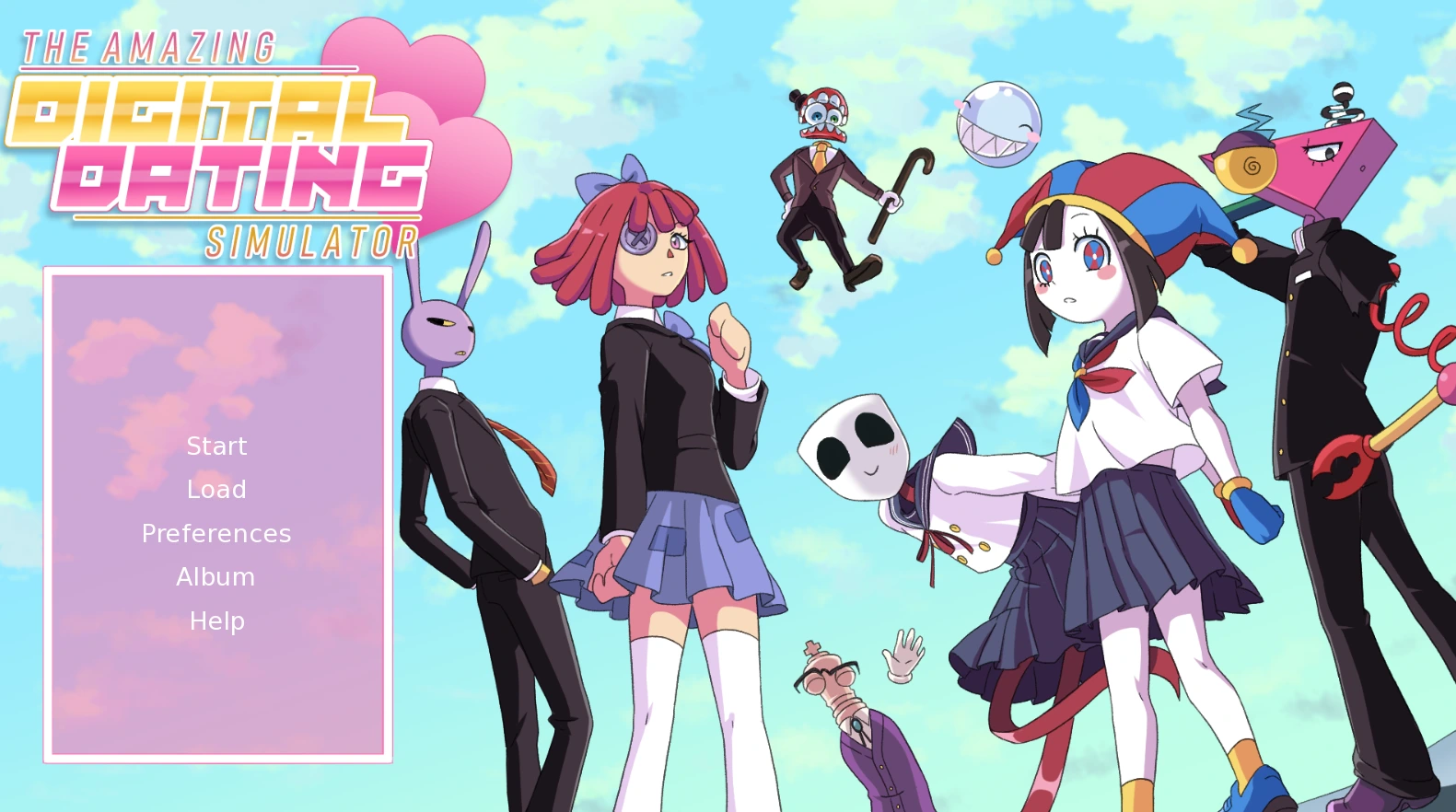
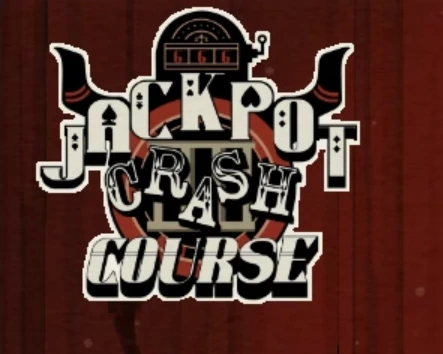
Jackpot Crash Course logo displayed beside the online game introduction

Play Jackpot Crash Course Online Under the House Lights

Jackpot Crash Course begins with an offer that sounds clean only from a distance. Eddie, a convicted contestant, can enter a televised casino competition where success points toward a pardon. Freedom is presented like a jackpot: visible, desirable, and always one more round away. The browser version lets you step onto that stage immediately, but the story works best when you resist the urge to rush through its dialogue.

This is not a conventional casino simulator. Jackpot Crash Course uses cards, odds, prizes, and showmanship as a language for judgment. Contestants are encouraged to believe the rules are neutral, even though producers choose the rules, frame the stories, and decide which reactions become entertainment. A wheel may spin without prejudice, but the institution surrounding it is never neutral.

For a first run, treat every cheerful announcement as information about the show rather than reassurance. Watch how Eddie is described, how rivals perform for the audience, and when a promise of fairness arrives just before the pressure increases. The game rewards players who listen for the difference between what the host says and what the round actually demands.
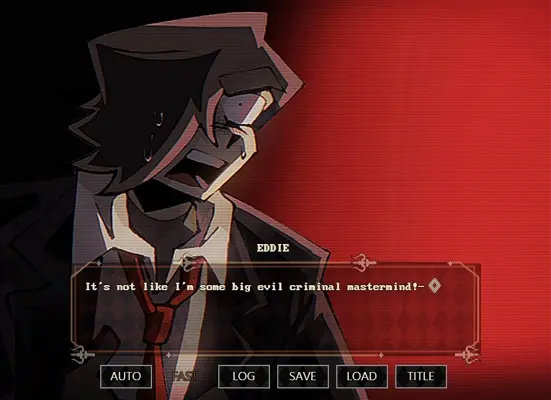
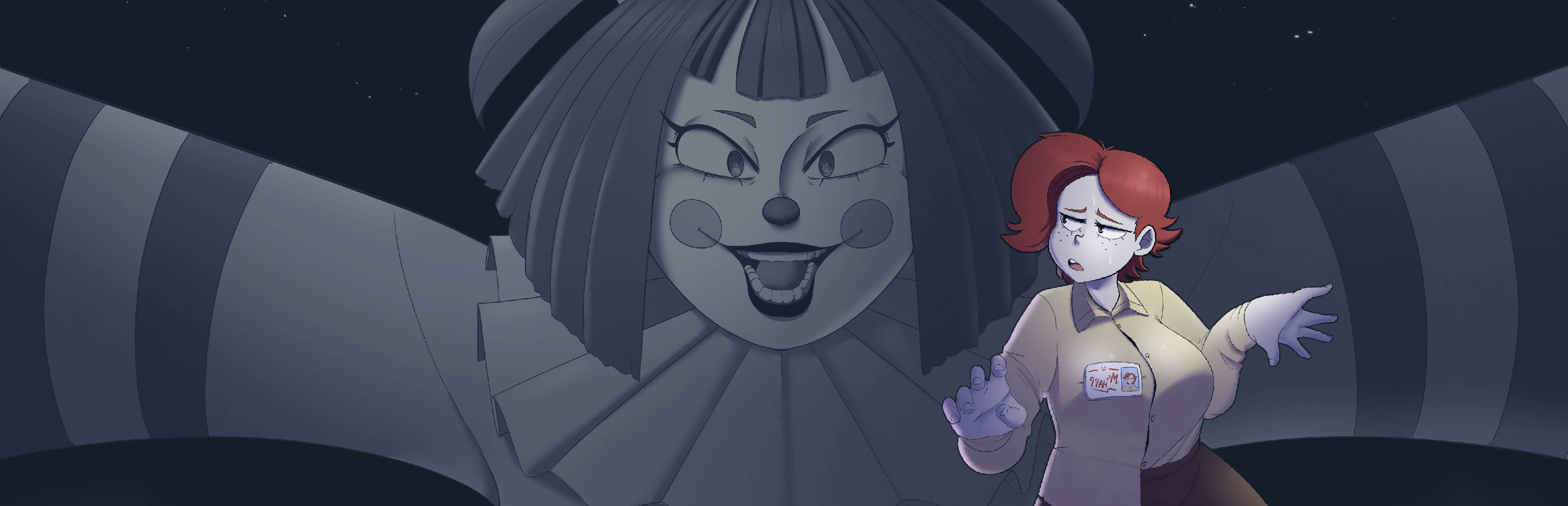
Eddie and contestants facing a tense casino stage in Jackpot Crash Course

Eddie Is Gambling With More Than Survival

Eddie's challenge is partly physical, but the sharper danger is narrative. The broadcast needs him to become a recognizable character: repentant criminal, arrogant threat, tragic underdog, or entertaining failure. Each answer can support one of those roles. Looking vulnerable may earn sympathy while giving another contestant leverage; appearing confident can create authority while making the audience less willing to forgive a mistake.

That makes conversation a form of resource management. Eddie spends trust when he shares information, reputation when he challenges the show, and emotional energy when he tries to stabilize someone else. None of those resources appear as simple casino chips, yet they determine which alliances remain available when a later round becomes dangerous.

The most interesting choices rarely divide neatly into kindness and cruelty. A comforting lie may keep somebody calm. An honest accusation may expose a threat while destroying a useful relationship. Jackpot Crash Course asks whether morality can remain private when every decision is scored, witnessed, and converted into a story for viewers.

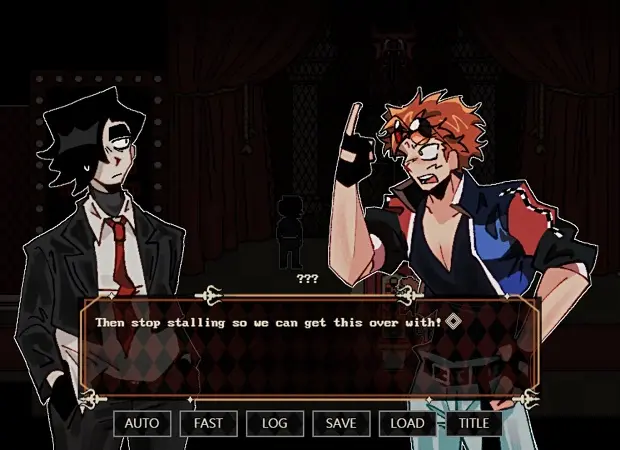
Jackpot Crash Course browser visual novel dialogue and contestant scene

How the Jackpot Crash Course Visual Novel Plays

The main interaction is close reading. Click or tap to advance scenes, select responses when choices appear, and pay attention to changes in expression or tone. Jackpot Crash Course does not reward speed. The useful clue is often a rival's reaction after the obvious dramatic beat, when the stage moves on but a character has not emotionally recovered.

On desktop, fullscreen gives dialogue and character art the room they need. Mobile browsers can run the embedded build, although landscape orientation is usually more comfortable. If sound does not begin, click once inside the frame and check autoplay permissions. If the screen remains black, wait for assets, refresh once, and check whether an extension blocks third-party frames.

Save behavior may depend on local browser storage, so avoid clearing site data during a route. For replay, change one attitude at a time. Keep most of Eddie's choices stable while altering one alliance, one response pattern, or one reaction to the show. Controlled changes reveal real branch points more clearly than selecting every opposite answer at once.

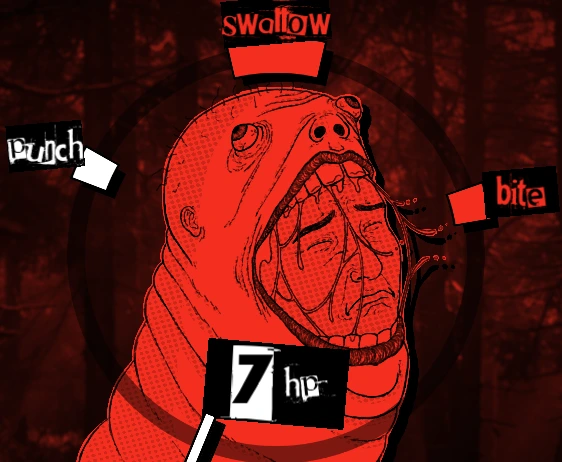
Jackpot Crash Course rival contestants during a dramatic route moment

Rivals Turn the Casino Into a Social Map

The rival cast prevents the death game from becoming a sequence of anonymous eliminations. Each contestant arrives with a history and a preferred survival performance. One person may use humor to control tension, another may weaponize apparent honesty, and another may stay unreadable until the group needs a target. Their strategies reveal what they think the cameras reward.

An alliance is therefore never only friendship. It can provide information, emotional shelter, or voting power, but closeness also creates obligation. A rival who knows Eddie's fear can protect him or exploit it. Hostility keeps motives visible yet may leave Eddie isolated when the game demands cooperation. The strongest route decisions balance immediate safety against the future cost of being known.

On replay, the same contestant can look completely different. A joke that felt careless may reveal itself as defense. A cold decision may appear less selfish after another route exposes the rule behind it. Jackpot Crash Course gains depth from this changing context because a new path does not merely add scenes; it reorganizes the player's understanding of the whole social field.

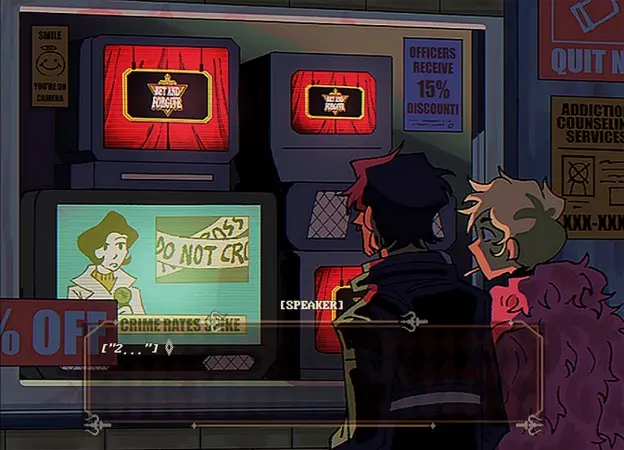
Dark casino character scene from Jackpot Crash Course

Luck Is the Show's Most Convincing Alibi

Chance appears impartial. A card does not know a criminal record, and a wheel cannot hold a grudge. Jackpot Crash Course uses that appearance to ask a harder question: if somebody designs the possible outcomes, is the final result really free from judgment? Randomness can hide responsibility because the house can blame luck for harm it deliberately made possible.

The pardon operates through similar logic. It is described as mercy, but placing freedom behind a dangerous contest turns mercy into leverage. Contestants continue because refusal means abandoning the most visible route out. The show can then call participation voluntary while controlling the cost of every alternative.

This theme gives the casino imagery purpose beyond style. Chips measure exposure, odds turn hope into arithmetic, and prizes make desperation look glamorous. Eddie may win a round without changing the institution's definition of victory. The house remains powerful because it decides when the game ends and which losses count as acceptable television.

Jackpot Crash Course stage image used for route strategy guidance

A Spoiler-Light Route Method

Choose a coherent version of Eddie for the first route. He might prioritize caution, connection, defiance, or opportunity. Consistency gives the ending a readable emotional shape. If every answer follows a different impulse, it becomes difficult to understand which relationship or decision redirected the story.

After the ending, record three observations: the rival Eddie trusted most, the moment his public persona changed, and the rule that caused the greatest harm. On the next run, challenge one observation while keeping the others stable. This simple method produces useful comparisons without turning the visual novel into a spreadsheet.

Pay particular attention when the show explains fairness, offers a reward, or asks contestants to judge one another. Those scenes reveal how the institution distributes responsibility. The game often makes players feel that the group caused an outcome even when the format engineered the conflict. Recognizing that manipulation changes how later choices read.

Expressive Jackpot Crash Course visual novel scene under broadcast lighting

Broadcast Horror Makes Every Emotion Public

Jackpot Crash Course places danger under bright light instead of hiding it in a corridor. The contestants know that fear, grief, and anger can become content. That awareness changes behavior: a genuine reaction may look strategic, while a calculated performance can appear sincere when the camera catches the right angle.

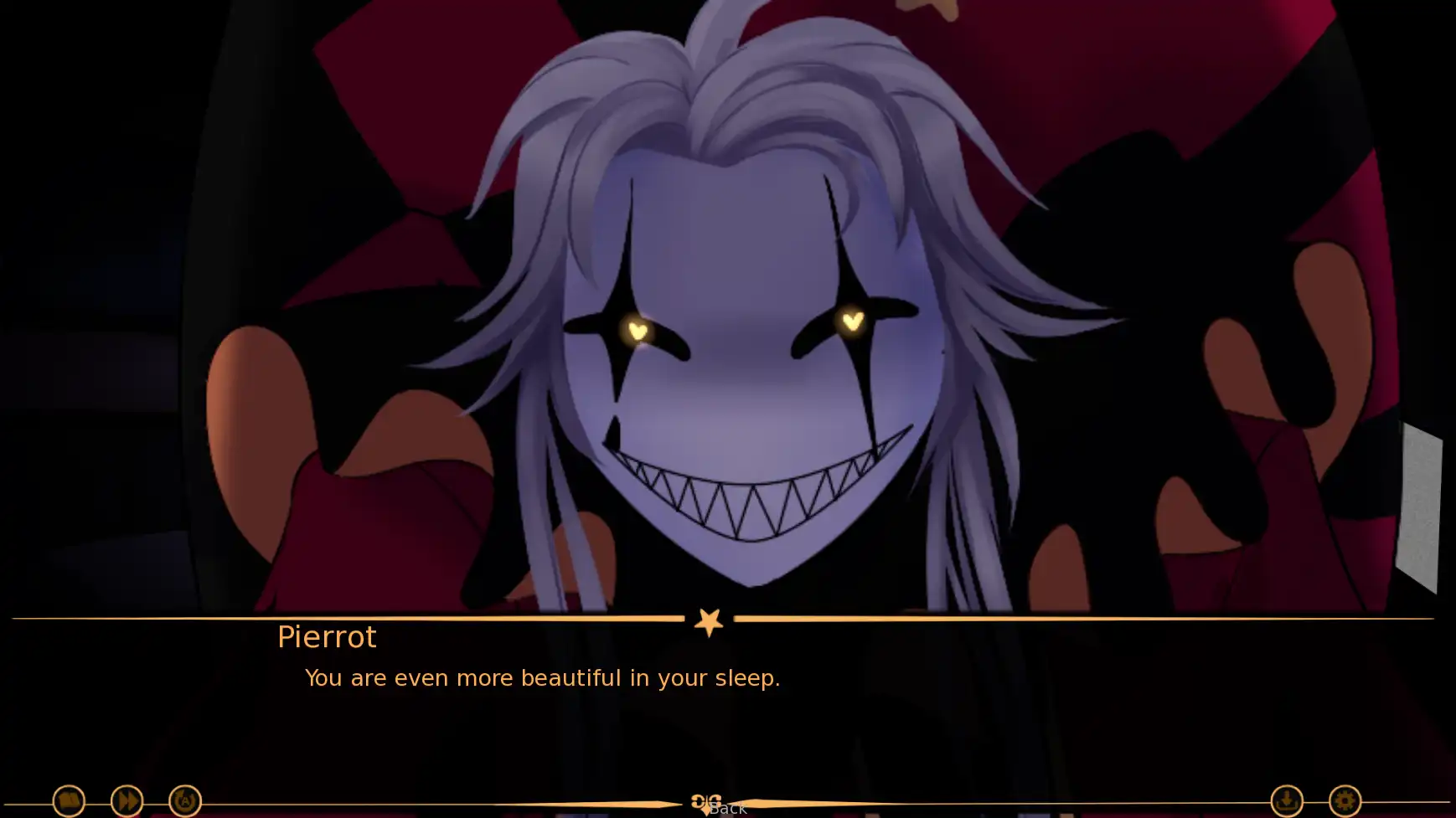
Expressive portraits support this pressure. A small change in a face can show when a public mask slips, and a crowded composition can reveal who has moved toward or away from Eddie. Because the stage is visually loud, quiet moments become especially important. Silence can feel like the production waiting for somebody to break.

The contrast between celebratory presentation and serious consequence is the source of much of the horror. Music, prizes, and colorful graphics insist that the audience is having fun, even when the contestants cannot safely share that mood. The format denies them the right emotional response, which makes the spectacle feel more coercive than a straightforward threat.

Jackpot Crash Course dramatic scene illustrating ending consequences

Endings Measure the Cost of Eddie's Strategy

A useful ending is not only a verdict on whether Eddie survives. It shows which version of him the show successfully produced and what relationships were spent along the way. Two routes may reach similar practical outcomes while feeling morally opposite because one preserves trust and another sacrifices it for control.

Replay value comes from this emotional accounting. Once the player understands a rule, an earlier scene may look staged rather than spontaneous. Once a rival's motive is known, a friendly line can become a warning or a cold line can become protection. The second run replaces surprise with suspicion, allowing the visual novel's construction to become visible.

Jackpot Crash Course is best suited to mature players. It includes criminal histories, coercion, violence, blood, gore, disturbing imagery, death-game pressure, and public humiliation. The bright casino style does not make those subjects lightweight. Pause if the spectacle stops being enjoyable, and return only when this kind of tension fits the experience you want.

Watch Jackpot Crash Course Videos

Gameplay

A gameplay view of the casino stage, contestants, and visual novel choices in Jackpot Crash Course.

Playthrough

A second video reference for the game's broadcast atmosphere, rival cast, and route-driven tension.

Jackpot Crash Course FAQ

What is Jackpot Crash Course?

Jackpot Crash Course is a casino death-game visual novel about Eddie, a criminal contestant offered a possible pardon through a televised competition built around risk, rivals, and public judgment.

Can I play Jackpot Crash Course online?

Yes. Press Play in the game frame to launch the Jackpot Crash Course browser build without installing a separate desktop package.

Is Jackpot Crash Course a casino simulator?

No. Casino imagery shapes the story, but the core experience is a choice-driven visual novel focused on contestants, moral pressure, alliances, and survival.

How do choices affect Jackpot Crash Course?

Choices define Eddie's attitude and relationships. Trust, confrontation, caution, and vulnerability can change which interactions and route details become important.

Does Jackpot Crash Course have replay value?

Yes. Replaying with one changed alliance or strategy can reveal new motives, foreshadowing, and different interpretations of the show's rules.

Can Jackpot Crash Course run on mobile?

The browser build may run on mobile, but landscape orientation is recommended. Desktop fullscreen usually provides the clearest dialogue and character artwork.

What if the Jackpot Crash Course frame stays black?

Wait for assets to load, click inside the frame, refresh once, and check whether privacy extensions or network rules are blocking the embedded host.

Is Jackpot Crash Course suitable for children?

No. It contains mature criminal themes, coercion, violence, blood, gore, disturbing imagery, and death-game tension.

How should I approach a first route?

Choose a consistent attitude for Eddie, observe rival reactions, and avoid chasing a perfect result. Let the first ending show what deserves investigation on replay.