






Browser Horror Game

Play Mind the Gap Online

Mind the Gap throws you into an experimental horror setup where every conversation feels monitored, every promise sounds conditional, and even the idea of freedom arrives wrapped in threat. With sharp character art, television-screen unease, and a tense closed-space atmosphere, Mind the Gap turns browser play into a slow, suspicious descent through fear, manipulation, and survival-minded dialogue.

YouTube

Official YouTube video for Mind the Gap.

Walkthrough

Additional gameplay or walkthrough video for Mind the Gap.

Mind the Gap

About Mind the Gap

Experimental Horror Overview

Mind the Gap is a browser horror visual novel that leans into confinement, authority, and distrust instead of cheap interruption. If you want to play Mind the Gap online without downloading anything first, this page keeps the playable iframe, the supporting videos, the screenshots, and a full reading guide together in one place. That setup makes Mind the Gap easy to launch, easy to revisit, and easier to understand before the first major choice lands.

What makes Mind the Gap memorable is how deliberately it uses uncertainty. Mind the Gap does not just ask what is happening. Mind the Gap asks who is in control of the room, who benefits when the rules stay vague, and why the language of safety sounds so close to the language of captivity. That combination gives Mind the Gap a stronger identity than a generic horror demo and makes Mind the Gap especially effective as a story-rich browser game.

Mind the Gap logo used in the page introduction to establish the game's identity

Play Mind the Gap Online in a Single Focused Browser Page

Mind the Gap works well online because Mind the Gap is fundamentally about mood, reading, and decision pressure rather than mechanical complexity. This page lets you play Mind the Gap online immediately in the iframe above, then move straight into a detailed overview without leaving the route. That matters for players arriving through search, because Mind the Gap does not look like a lightweight joke page or a disposable link drop. The dedicated layout makes Mind the Gap feel like a full landing page, which helps both trust and retention.

It also helps that Mind the Gap has a clean visual identity. The black-and-red palette, the rough lettering, the spiral-eyed emblem, and the tense framed character scenes all communicate that Mind the Gap is not aiming for cozy mystery or loud action. Mind the Gap is trying to trap the player in a narrower emotional corridor. By presenting Mind the Gap in a focused browser page, the site gives that visual identity room to do its work before the player even enters the first major exchange.
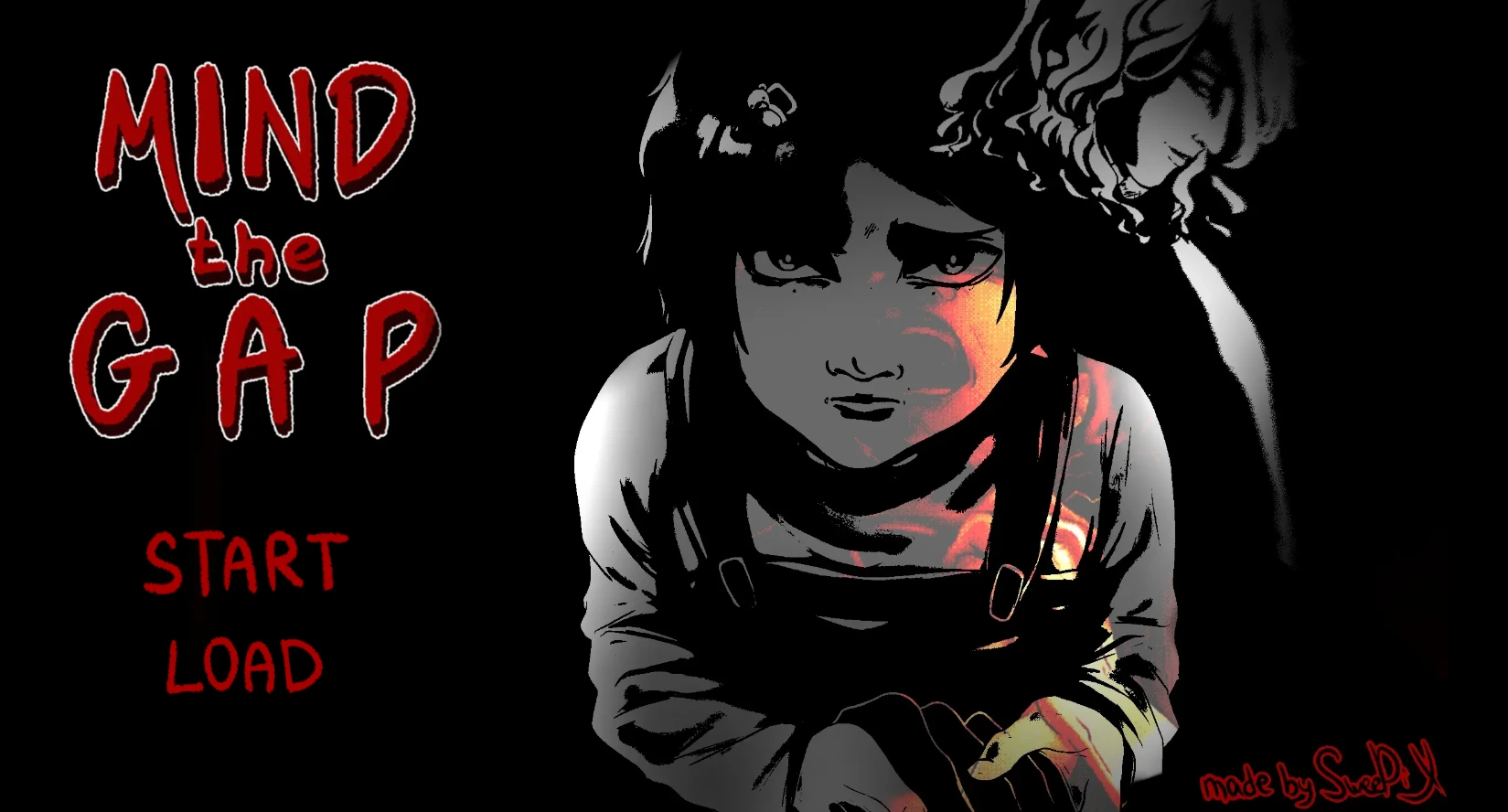
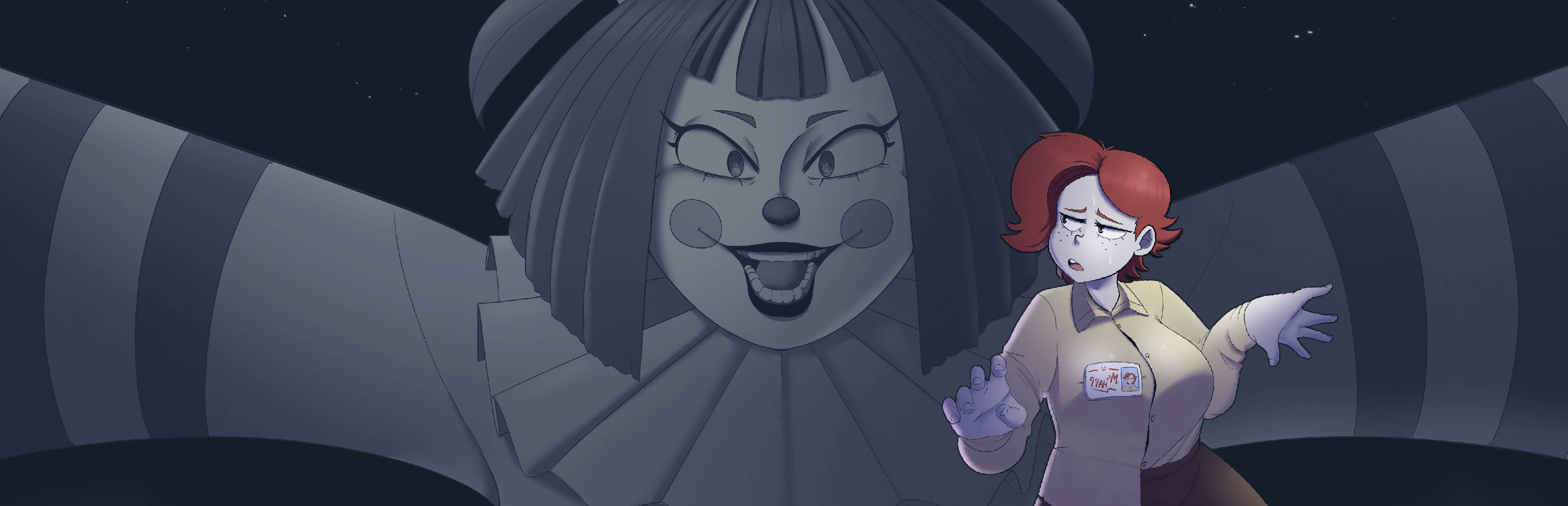
Mind the Gap title screen showing the central character and a looming figure behind her

Why Mind the Gap Feels More Claustrophobic Than Ordinary Browser Horror

A lot of browser horror titles try to build tension through sudden imagery alone, but Mind the Gap gets more value from restriction. Mind the Gap puts characters inside a situation where the edges of the world feel controlled and where information comes with strings attached. That creates a kind of claustrophobia that is more psychological than physical. In Mind the Gap, even a calm line can sound like a warning, because the game constantly suggests that there is no neutral conversation inside this system.

That is where Mind the Gap separates itself from generic dark aesthetic projects. The fear in Mind the Gap is not only about what might jump out of the darkness. The fear is about what the rules really are, who wrote them, and whether the people around you are adapting, resisting, or quietly breaking under them. Mind the Gap turns vague authority into atmosphere. As a result, Mind the Gap can feel oppressive even in still scenes, which is one of the strongest signs of good story-first horror design.

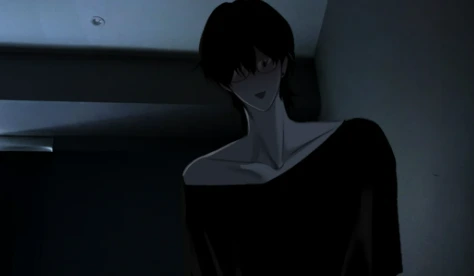
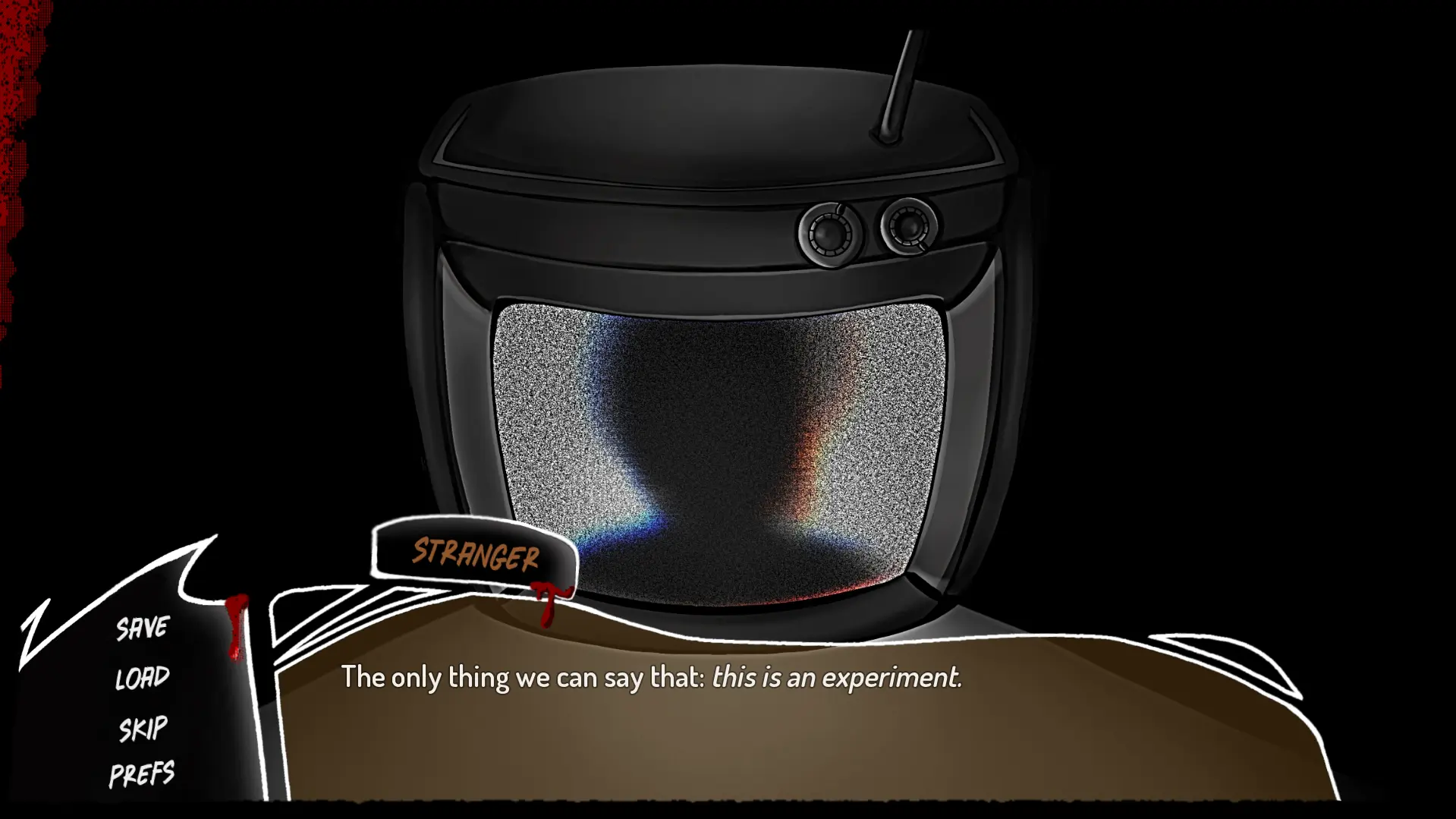
Mind the Gap scene with a television set and a distorted stranger appearing on the screen

The Stranger, The Screen, and the Language of Experiment

One of the most striking images in Mind the Gap is the stranger on the television screen. That image tells you almost everything important about the game's tone. Mind the Gap frames authority as something both distant and invasive. The stranger is filtered, mediated, and not fully present, yet the stranger still controls the emotional weather of the scene. When Mind the Gap uses phrases like 'this is an experiment,' it pushes the player into a specific kind of horror: the horror of being observed, classified, and spoken to as if consent is already irrelevant.

This is a clever move because it makes Mind the Gap feel hostile without relying on conventional monster staging. The television in Mind the Gap becomes a command surface, a confession booth, and a threat-delivery system all at once. It changes the usual dynamic of visual novels where a scene simply presents dialogue and choices. In Mind the Gap, the medium of communication becomes part of the danger. That gives Mind the Gap stronger thematic cohesion and makes its most memorable images feel tied directly to the core idea of control.

Mind the Gap scene featuring Vir and dialogue about traps and false freedom

Character Pressure and the Uneasy Promise of Freedom

Mind the Gap becomes more interesting the moment its characters begin speaking about freedom as if freedom itself might be poisoned. That is a strong emotional hook. In many horror visual novels, escape is a clear objective and liberation sounds unquestionably good. Mind the Gap is more suspicious than that. Mind the Gap treats every offer, every explanation, and every strategic phrase as something that might be engineered. That gives the conversations a sharper edge, because even hopeful language can function like bait.

The line about every word being a trap says a lot about how Mind the Gap wants to be read. Mind the Gap asks the player to listen for motive, not just information. A sentence is never only a sentence. It may be reassurance, manipulation, recruitment, or self-protection at the same time. Because Mind the Gap centers so much of its tension inside dialogue and character stance, the page works especially well for readers who enjoy visual novels where the main challenge is interpretation rather than reaction speed.

Mind the Gap scene with several characters facing pressure together in a confined hallway

How Mind the Gap Uses Group Dynamics Instead of Simple Isolation

Although Mind the Gap feels claustrophobic, Mind the Gap is not only about being alone. Some of its strongest scenes gain power from group tension. Once multiple characters share a confined setting, every glance and every disagreement starts carrying extra weight. Mind the Gap benefits from that because it can stage mistrust on several levels at once. A person may be frightened, defensive, useful, selfish, brave, or compromised, and the game can let those possibilities rub against each other in the same room.

That group pressure gives Mind the Gap better replay value than a simpler one-note dread piece. If you play Mind the Gap online once and then return with more attention to interpersonal motive, the same hallway or dialogue block may feel newly charged. One character's confidence may read like leadership in one run and like denial in another. Another character may seem cautious at first, then calculating on a replay. Mind the Gap gains depth precisely because the threat environment shapes people differently, and the player is left to decide who is adapting honestly and who is merely surviving the conversation.

Mind the Gap title scene reused to support browser-play guidance and first-session expectations

How Mind the Gap Plays in the Browser

Mind the Gap is easy to launch in a browser, but Mind the Gap is best approached with patience. Let the iframe finish loading, keep the tab focused, and read slowly enough to catch shifts in tone. Mind the Gap is not a page you open for background noise. The tension in Mind the Gap depends on how carefully you follow the shape of a sentence and the implication hiding behind a simple line. If you skim, you will still see the surface plot. If you read attentively, Mind the Gap becomes much more dangerous and much more rewarding.

Desktop is usually the best way to play Mind the Gap online because the art framing, text box, and fullscreen behavior all breathe better on a larger screen. Mind the Gap can still load on other devices, but the ideal setup is a stable desktop browser with enough space for the dialogue and scene composition to land properly. When Mind the Gap gets visually quiet, that extra room matters. The stillness is part of the design, and the page should let the stillness sit without feeling cramped.

Mind the Gap television scene reused to emphasize the game's distinct search-friendly identity

Why Mind the Gap Works as a Search-Ready Horror Landing Page

Mind the Gap is a strong candidate for search-driven discovery because Mind the Gap has a specific and recognizable identity. A user searching for Mind the Gap online is likely trying to answer practical questions fast: Can I play Mind the Gap online? Is Mind the Gap a browser game? What kind of horror is Mind the Gap? Does Mind the Gap rely on action or story? The structure of this page is designed to answer those questions directly. Mind the Gap appears clearly in the title, the hero, the overview, the section copy, and the FAQ, which helps both readers and search systems understand the page with less ambiguity.

Just as importantly, the page does not treat SEO and readability as enemies. Mind the Gap benefits from repeated naming because the game title itself carries intent. But the page still needs to sound like a real editorial explanation, not a stitched keyword block. That is why the copy around Mind the Gap focuses on themes like experimentation, surveillance, false promises, and interpersonal pressure. Those ideas give the repeated title a meaningful context. Instead of sounding padded, the page sounds focused, and that is usually what better long-form game pages need.

Mind the Gap group scene used to support content warnings and first-session guidance

Loading Advice, Tone Warnings, and First-Run Expectations for Mind the Gap

Mind the Gap is best suited for players who like oppressive atmosphere, uneasy character dialogue, and the feeling that every system on the screen may be lying. Even when Mind the Gap is visually restrained, the emotional pressure can remain high. If the game's language around captivity, threat, or manipulation starts feeling too heavy, the best way to play Mind the Gap is to pause and come back later. Mind the Gap is not built around rushing forward. It is built around reading pressure closely and letting the discomfort accumulate on purpose.

If Mind the Gap opens to a blank frame or seems stalled, wait a moment, click inside the iframe once, and refresh before assuming the run failed. Remote browser builds can be affected by tab focus, audio permissions, privacy tools, or temporary network delay. In most cases, Mind the Gap should start cleanly in a current browser. Once it does, Mind the Gap becomes a very easy page to revisit, especially for players who want to compare dialogue impressions or test how different emotional readings change the mood of a second session.

Mind the Gap FAQ

Can I play Mind the Gap online here?

Yes. This page embeds Mind the Gap in a browser iframe, so you can play Mind the Gap online here without downloading a separate build first.

What kind of game is Mind the Gap?

Mind the Gap is an experimental horror visual novel. Mind the Gap focuses on atmosphere, dialogue, control, and psychological pressure more than fast action systems.

Is Mind the Gap more about story or action?

Mind the Gap is much more about story, interpretation, and character tension. If you enjoy reading-heavy browser horror, Mind the Gap is a better fit than action-led games.

Why does Mind the Gap feel so tense even in quiet scenes?

Mind the Gap gets much of its tension from restricted space, suspicious dialogue, and unclear authority. The game often makes stillness feel dangerous, which is why Mind the Gap can stay unsettling without constant visual shocks.

Does Mind the Gap have replay value?

Yes. Mind the Gap benefits from replays because character motive, trust, and emotional alignment can read differently once you know more about the pressure surrounding the cast.

Is Mind the Gap better on desktop or mobile?

Desktop is usually better for Mind the Gap because the dialogue box, character framing, and fullscreen browser experience are easier to follow on a larger screen.

What should I do if Mind the Gap does not load?

Wait a moment, click inside the iframe once, refresh the page, and check whether privacy tools or browser extensions are interfering with the Mind the Gap embed.

Does Mind the Gap include heavy themes?

Yes. Mind the Gap leans into captivity, manipulation, coercive language, and psychological discomfort, so it is best approached by players who want mature, pressure-driven horror storytelling.